

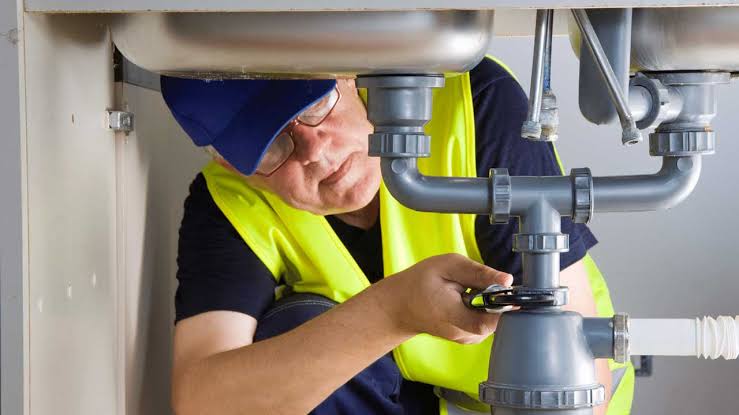
Replacing the plumbing pipes in your home might sound like a major undertaking, especially when you consider how often your household depends on running water. From preparing breakfast and taking morning showers to washing dishes and doing laundry, plumbing plays an essential role in everyday activities. However, a home repiping project does not necessarily mean putting your entire routine on hold. With proper preparation, realistic scheduling, and professional assistance, homeowners can complete pipe replacement while minimizing inconvenience.
The key is understanding what the process involves and making arrangements before the work begins. A carefully planned repiping project can help maintain household comfort while improving the reliability of your plumbing system for years to come.
Understand the Scope of Your Repiping Project
Before scheduling any work, determine which parts of your plumbing system require replacement. Some homes need only specific sections of piping replaced, while others benefit from a complete plumbing upgrade due to aging materials, recurring leaks, or widespread corrosion.
Consulting experienced Plumbing Repipe Specialists Houston can help homeowners understand the condition of their existing pipes and identify the most appropriate replacement approach. A professional inspection may reveal issues that are not immediately visible, including deteriorating connections or restricted water flow.
Understanding the project scope also helps establish realistic expectations regarding labor, material requirements, water interruptions, and overall completion time.
Choose a Schedule That Works for Your Household
Timing is one of the most important considerations when planning a repiping project. Although plumbing professionals may complete certain tasks within a relatively short period, the total duration depends on the property’s size, pipe accessibility, and complexity of the installation.
Consider scheduling the work during a period when household activities are relatively flexible. If family members work remotely, attend online classes, or care for young children, discuss these circumstances with the plumbing contractor beforehand.
Ask whether the work can be organized into sections to reduce inconvenience. In some cases, plumbers can restore water service between work periods, allowing residents to continue essential activities.
Prepare Bathrooms, Kitchens, and Utility Areas
Repiping often requires access to plumbing connections located behind walls, beneath sinks, or near appliances. Preparing these spaces before the project begins can make the installation process more efficient.
Remove personal belongings from bathroom cabinets, kitchen storage areas, and laundry spaces where plumbers may need access. Keep fragile objects away from nearby work areas and protect furniture from dust.
It is also helpful to create clear pathways through hallways and rooms where plumbing professionals will transport tools and materials.
These simple preparations reduce unnecessary delays and allow workers to focus on completing the installation safely.
Plan Ahead for Temporary Water Interruptions
One of the biggest concerns during repiping is losing access to running water. While interruptions are often unavoidable, they can usually be managed through advance communication and preparation.
Ask your plumbing contractor when the water supply will be disconnected and approximately how long each interruption is expected to last. Store enough drinking water for household members and make arrangements for cooking, cleaning, and personal hygiene.
Completing laundry, washing dishes, and filling necessary water containers before work begins can prevent unnecessary frustration.
For larger households, temporary arrangements for showers or bathroom access may also be worth considering.
Maintain Communication With Your Plumbing Contractor
The success of a repiping project may be greatly impacted by effective communication. Before installation begins, discuss the expected schedule, areas requiring access, and any circumstances that could affect daily activities.
Request updates as the work progresses, particularly if unexpected plumbing conditions require adjustments to the original plan.
Homeowners should also clarify who will handle wall repairs, cleanup, inspections, and final plumbing testing. Understanding these responsibilities prevents confusion and helps avoid scheduling conflicts.
A reliable contractor should explain significant changes and provide practical guidance throughout the project.
Keep Children and Pets Away From Work Areas
Repiping projects may involve drilling, cutting openings, moving equipment, and handling plumbing materials. These activities can create temporary safety concerns, particularly in households with children or pets.
Designate specific areas where family members can remain comfortable without entering active workspaces. Keep pets secured in a separate room and explain temporary access restrictions to children.
If substantial work is planned near bedrooms or living spaces, consider arranging outdoor activities or alternative accommodations during the busiest installation periods.
Allow Time for Testing and Final Cleanup
Installing new pipes is only one part of a successful repiping project. After installation, plumbers must check connections, test water pressure, inspect for leaks, and confirm that fixtures operate correctly.
Depending on the project, wall openings may also require patching, painting, or additional finishing work.
Before considering the project complete, test faucets, showers, toilets, and other plumbing fixtures. Discuss any concerns with the contractor and confirm that necessary inspections have been completed.
Allowing adequate time for these final steps helps ensure the new plumbing system performs as expected.
Conclusion
A home repiping project requires preparation, but it does not have to bring everyday life to a standstill. Understanding the installation process, coordinating schedules, preparing work areas, and planning for temporary water interruptions can make the experience considerably more manageable.
Working with qualified plumbing professionals and maintaining clear communication throughout the project can help homeowners minimize disruptions while investing in a safer, more dependable plumbing system. With thoughtful planning, replacing outdated pipes becomes a manageable home improvement project rather than an overwhelming household inconvenience.

