

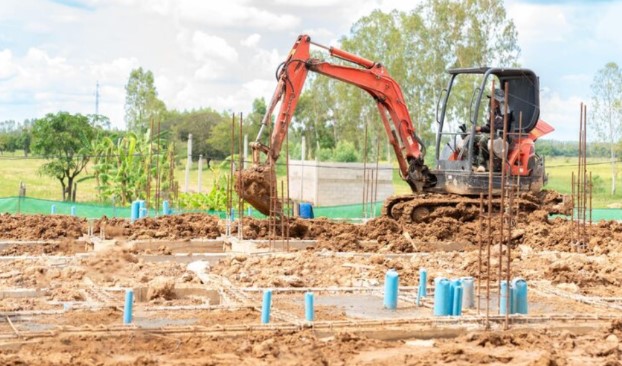
A successful construction project begins long before the first brick is laid or the foundation is poured. Proper planning and preparation are essential for creating a safe, stable, and well-organized building site. Site preparation is an important first step that involves clearing the land, checking soil conditions, planning drainage, and making the area ready for construction. When these tasks are completed correctly, they help reduce delays, control costs, and support the long-term strength of the building.
Understanding the Importance of Site Preparation
Site preparation creates the right conditions for construction work to begin. Before any building activity starts, contractors must understand the land, identify possible problems, and make sure the area is suitable for the planned structure. This process may include removing unwanted plants, rocks, old structures, and other obstacles.
Proper site preparation also helps construction teams organize their work more efficiently. When the land is ready, workers can move equipment and materials safely and begin their tasks according to the project schedule. Careful preparation at the beginning can prevent many problems during later construction stages.
Creating a Strong and Stable Foundation
A building needs a strong foundation to remain stable for many years. Therefore, checking the soil is one of the most important parts of site preparation. Different types of soil have different levels of strength and water absorption. Some soils may need extra treatment before they can safely support a building.
Construction professionals may conduct soil tests to understand the ground conditions and determine the right foundation design. They may also level and compact the soil to create a firm surface. Effective site preparation reduces the risk of uneven settling, foundation damage, and other structural problems that could require expensive repairs in the future.
Improving Drainage and Managing Water
Water management is another important part of site preparation. Poor drainage can allow rainwater to collect around a building, weaken the soil, and increase the risk of water entering the structure. These problems can affect the foundation and damage building materials over time.
To avoid such issues, contractors assess the natural slope of the land and plan suitable drainage systems. They may shape the ground, install drainage pipes, or create channels that direct water away from the construction area. Proper drainage planning helps protect the building and keeps the site safer for workers during construction.
Reducing Construction Delays and Costs
Unexpected problems can increase construction costs and delay project completion. For example, hidden underground pipes, unsuitable soil, or difficult access routes can interrupt work if they are not identified early. Careful site preparation helps contractors discover these challenges before major construction activities begin.
Preparing the site in advance also makes it easier to arrange equipment, deliver materials, and coordinate different teams. With a clear plan and a well-organized work area, contractors can use their time and resources more effectively. This improves productivity and helps keep the project within its planned budget.
Conclusion
Site preparation plays a major role in ensuring a successful construction project. From creating a stable foundation to improving drainage and reducing unexpected expenses, every preparation step supports better building results. By investing time in proper planning, soil assessment, and site organization, property owners and contractors can improve safety, save money, and build structures that remain reliable for years. A well-prepared site provides a strong starting point for the entire construction process.

